
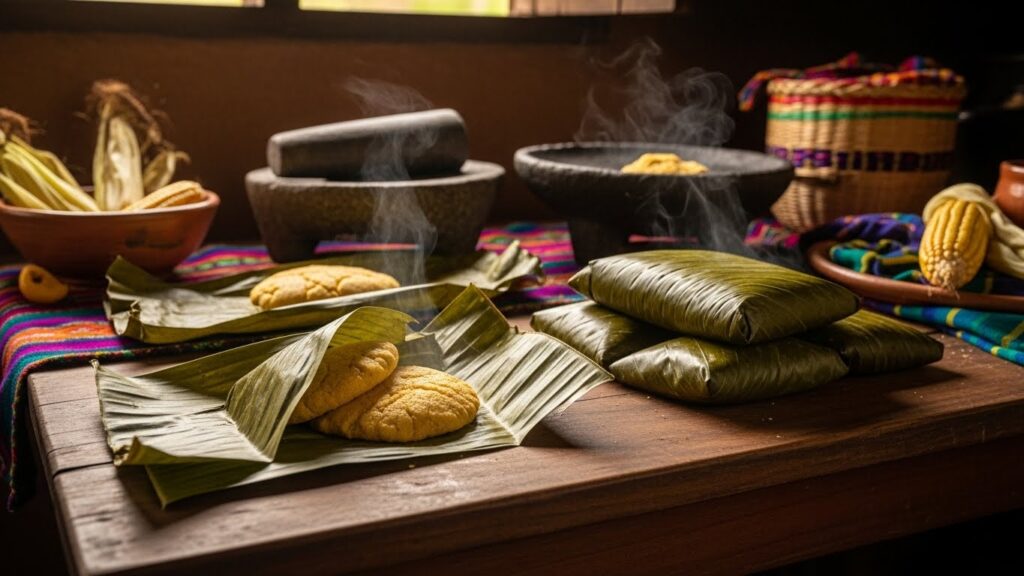
Ponadiza represents one of Central America’s most intriguing yet underappreciated culinary traditions, weaving together indigenous ingredients, colonial influences, and generations of family recipes into a single, remarkable dish. For those unfamiliar with this term, ponadiza refers to a traditional preparation method and dish found primarily in parts of Honduras and neighboring regions, where corn-based foods form the backbone of local cuisine. While foods like pupusas and tamales have gained international recognition, ponadiza remains largely unknown outside its native communities, making it a true hidden gem for food enthusiasts and cultural explorers alike.
The beauty of ponadiza lies not just in its taste but in what it represents—a living connection to pre-Columbian cooking techniques that have survived centuries of change. This dish typically features masa (corn dough) combined with various fillings, though the exact preparation varies significantly from one village to another, and even from one family kitchen to the next. Understanding ponadiza means appreciating the broader context of Central American food culture, where every recipe carries stories of resilience, adaptation, and community bonds forged around shared meals.
In recent years, as global food culture has shifted toward celebrating authentic, traditional preparations, dishes like ponadiza have begun attracting attention from chefs, food historians, and travelers seeking genuine culinary experiences. This article explores everything you need to know about ponadiza—from its historical roots and regional variations to preparation techniques and its place in modern Central American identity.
The Historical Origins of Ponadiza
The roots of ponadiza stretch back to pre-Columbian Mesoamerica, where corn cultivation formed the foundation of civilization itself. The Maya and Lenca peoples who inhabited what is now Honduras and surrounding territories developed sophisticated agricultural practices centered on maize, beans, and squash—the “three sisters” of indigenous American agriculture. These communities created countless corn-based preparations, and ponadiza represents an evolution of these ancient cooking methods, adapted over centuries to incorporate new ingredients and techniques introduced during the Spanish colonial period.
Archaeological evidence suggests that corn-based wrapped foods similar to modern ponadiza have been prepared for at least a thousand years in Central America. The technique of wrapping seasoned masa in plantain or banana leaves before cooking appears in various forms throughout the region, indicating a shared culinary heritage among different indigenous groups. What makes ponadiza distinct is its specific combination of ingredients and the particular ceremonial and everyday contexts in which it was traditionally served. Colonial records from the 16th and 17th centuries mention indigenous peoples preparing wrapped corn cakes, though the exact term “ponadiza” may have emerged later as Spanish and indigenous languages blended.
The survival of ponadiza through colonization, independence movements, and modernization speaks to its deep cultural significance. While many indigenous food traditions disappeared or were dramatically altered under Spanish rule, corn-based dishes remained central to daily life because they were both economically practical and nutritionally essential. Rural communities, particularly those in mountainous or remote areas, preserved these recipes with remarkable consistency, passing them down through generations primarily through oral tradition and hands-on learning rather than written recipes.
Read more:IASWESHOZ1
Regional Variations and Local Traditions
Like many traditional foods with deep historical roots, ponadiza manifests differently across various communities and regions of Central America. In rural Honduras, particularly in the departments of Lempira and Intibucá, ponadiza often features a simpler preparation, focusing on the quality of locally-grown corn and minimal but carefully selected seasonings. These versions typically emphasize the natural sweetness and texture of fresh masa, sometimes incorporating local herbs or small amounts of cheese. The wrapping leaves—whether banana, plantain, or even maxan leaves—are chosen based on what grows locally and what each family believes imparts the best flavor.
Moving toward coastal regions, ponadiza preparations tend to incorporate more diverse ingredients reflecting both agricultural abundance and historical trading connections. Coastal versions might include coconut milk in the masa, giving it a richer texture and subtly sweet flavor profile. Some families add achiote for color and earthiness, while others incorporate small amounts of meat or seafood, transforming ponadiza from a simple corn cake into a more substantial meal. These regional differences aren’t merely about ingredient availability; they reflect distinct cultural identities and the specific ways different communities have adapted this dish to their environments and tastes.
Festival and ceremonial contexts also influence how ponadiza is prepared and presented. During religious celebrations, harvests, or community gatherings, families often prepare larger batches with special fillings or presentations that wouldn’t be practical for everyday meals. Some communities reserve certain variations of ponadiza for specific occasions—weddings might call for versions with particular fillings, while mourning periods or religious observances might feature simpler, more austere preparations that honor tradition without excess.
The Art of Preparing Authentic Ponadiza
Creating authentic ponadiza begins with selecting the right corn, as the quality and type of maize fundamentally determines the final result. Traditional preparation uses fresh corn that has been nixtamalized—a process where dried corn kernels are soaked and cooked in an alkaline solution, typically limewater, which transforms both the nutritional profile and the texture of the grain. This ancient technique, still practiced in many rural communities, increases the bioavailability of nutrients, particularly niacin, and creates the distinctive flavor and workability that characterizes genuine masa. Many experienced cooks insist that commercially produced masa harina, while convenient, simply cannot replicate the depth of flavor achieved through traditional nixtamalization.
Once the nixtamalized corn has been ground into masa, the next steps require both technique and intuition developed over years of practice. The masa must achieve the correct consistency—moist enough to be pliable and hold together, but not so wet that it becomes sticky or difficult to work with. Experienced cooks assess this by feel, adding small amounts of water or working the masa until it reaches that perfect balance. Seasonings are incorporated gradually, with many families guarding their specific combinations of salt, herbs, or other ingredients as closely-held secrets that distinguish their ponadiza from others. The filling, if any is used, must complement rather than overwhelm the delicate corn flavor.
The wrapping and cooking process represents the final crucial stage where technique significantly impacts the outcome. Leaves must be carefully selected, cleaned, and sometimes briefly heated to make them more pliable. The masa is spread on the leaf surface to a specific thickness—too thin and it will dry out during cooking; too thick and it won’t cook evenly. Once wrapped, the packages are typically steamed or boiled for a precise duration that experienced cooks judge by timing, but also by subtle cues like the aroma released during cooking. Opening a properly cooked ponadiza reveals masa with a tender, almost creamy texture that contrasts beautifully with the slight resistance of the outer layer.
Nutritional Value and Health Considerations
From a nutritional standpoint, ponadiza offers several advantages that align well with contemporary understanding of healthy eating patterns. The nixtamalization process that transforms corn into masa significantly increases the bioavailability of calcium and iron while also making niacin (vitamin B3) more accessible to human digestion. This traditional preparation method, developed through generations of practical experience, essentially “unlocked” nutritional benefits that modern science has only recently fully understood and appreciated. A typical serving of ponadiza provides complex carbohydrates for sustained energy, along with dietary fiber that supports digestive health.
When prepared in its most traditional form, ponadiza is naturally low in fat and contains no cholesterol, making it compatible with heart-healthy dietary approaches. The corn base provides plant-based protein, and when combined with beans—a common accompaniment in Central American meals—creates a complete protein profile with all essential amino acids. Modern nutritional analysis has confirmed what indigenous peoples knew intuitively: corn and legumes together provide balanced nutrition that can sustain populations over generations. For those with dietary restrictions, traditional ponadiza is naturally gluten-free, vegetarian, and can easily be made vegan by avoiding any dairy-based fillings.
However, like any traditional food, the nutritional profile of ponadiza varies based on specific preparation methods and accompaniments. Versions that incorporate significant amounts of cheese, lard, or meat naturally have higher fat and calorie content, which may or may not align with individual health goals. Contemporary cooks have begun experimenting with lighter variations that maintain traditional flavors while reducing fat content, sometimes substituting vegetable oils for animal fats or increasing the proportion of vegetable fillings. These adaptations demonstrate how traditional dishes can evolve to meet modern nutritional awareness without abandoning their cultural authenticity.
Ponadiza in Contemporary Central American Culture
In today’s rapidly changing Central America, ponadiza occupies a complex position that reflects broader tensions between tradition and modernity, rural and urban lifestyles, and local versus global food cultures. In rural communities where the dish originated, ponadiza remains a regular part of meal rotations, particularly in households that maintain connections to agricultural traditions and have access to locally grown corn. For these families, preparing ponadiza isn’t merely about sustenance; it’s an act of cultural continuity that connects present generations to their ancestors and maintains living links to indigenous heritage.
Urban migration has significantly impacted how, when, and why people prepare and consume ponadiza. Many city dwellers with rural roots prepare the dish less frequently, often reserving it for special occasions, family gatherings, or moments when they particularly miss home. In cities like Tegucigalpa, San Pedro Sula, and smaller urban centers, specialty restaurants and street vendors have begun offering ponadiza to urban populations seeking authentic traditional foods. This commercialization has both positive and negative implications—while it makes the dish more accessible and helps preserve awareness of traditional foods, it also sometimes involves shortcuts or modifications that alter the authentic character of the preparation.
The younger generation’s relationship with ponadiza varies widely depending on individual circumstances, family practices, and personal interest in culinary heritage. Some young people show little interest in time-consuming traditional preparations, preferring quicker, more modern meal options. Others, however, have embraced traditional cooking as a way of asserting cultural identity and connecting with their roots in an increasingly globalized world. Social media has played an unexpected role in this revival, with young Central Americans sharing photos, recipes, and stories about traditional dishes like ponadiza, creating new forms of cultural exchange and pride in regional cuisines.
Where to Experience Authentic Ponadiza
For travelers and food enthusiasts seeking authentic ponadiza experiences, the most genuine encounters typically occur in rural Honduras and surrounding areas where the dish remains part of everyday culinary practice. Small village markets often feature women selling freshly made ponadiza alongside other traditional foods, offering visitors direct access to home-style preparations that represent generations of family recipes. These informal vendors usually prepare their goods that same morning using traditional methods, providing arguably the most authentic taste experience available. Engaging respectfully with these vendors—perhaps learning a few words of Spanish—can lead to rich cultural exchanges beyond merely purchasing food.
Community festivals and celebrations offer another exceptional opportunity to experience ponadiza in its cultural context. Many towns throughout Honduras and neighboring regions host annual fairs, patron saint celebrations, or harvest festivals where traditional foods take center stage. During these events, multiple families and vendors showcase their particular versions of ponadiza, allowing visitors to sample various regional styles and preparations side by side. These festivals also typically include music, dance, and other cultural expressions that provide broader context for understanding how food fits into community identity and celebration.
For those unable to travel to Central America, finding authentic ponadiza internationally presents more challenges but isn’t impossible. In cities with significant Central American immigrant populations—particularly in the United States—specialty restaurants, food trucks, or community centers occasionally offer traditional dishes including ponadiza. The quality and authenticity vary considerably, so seeking recommendations from Central American community members often yields the best results. Some adventurous cooks have also begun learning to prepare ponadiza themselves, sourcing nixtamalized corn or masa from Latin American grocery stores and following traditional recipes found through community connections or increasingly available online resources shared by cultural preservation advocates.
Preserving Culinary Heritage for Future Generations
The preservation of traditional dishes like ponadiza faces genuine challenges in the 21st century as economic pressures, migration, and changing lifestyles reshape how people produce and consume food. Many younger Central Americans, particularly those growing up in cities or immigrating to other countries, have limited exposure to traditional preparation methods and may never learn the techniques their grandparents practiced daily. This generational disconnect threatens not just recipes but the entire complex of knowledge, skills, and cultural values embedded in traditional food practices. When the last generation that learned these techniques through direct apprenticeship passes away, something irreplaceable disappears.
Recognizing these threats, various organizations, community groups, and individuals have launched initiatives aimed at documenting and preserving Central American culinary traditions. Some projects focus on recording elderly cooks demonstrating traditional techniques, creating video archives that future generations can reference. Others emphasize hands-on workshops where experienced cooks teach younger community members, emphasizing not just recipes but the cultural context and significance of traditional foods. Academic researchers, including anthropologists and food historians, have also contributed by documenting preparation methods, ingredient sources, and the cultural meanings surrounding dishes like ponadiza, creating scholarly records that complement community-based preservation efforts.
The most sustainable preservation approaches recognize that living traditions must evolve to remain relevant while maintaining core authentic elements. Rather than insisting on rigid adherence to historical methods, some cultural advocates encourage creative adaptations that honor traditional foundations while acknowledging contemporary realities. This might mean developing quicker preparation methods that fit modern schedules, or creating fusion versions that introduce traditional dishes to new audiences. The key lies in maintaining enough authentic character that the dish remains recognizably ponadiza while allowing sufficient flexibility that new generations find it accessible and meaningful to their own lives.
The Future of Ponadiza in Global Food Culture
As global food culture continues its shift toward celebrating authenticity, regionality, and indigenous culinary traditions, dishes like ponadiza stand poised for potential wider recognition. The same forces that have brought attention to foods like Peruvian ceviche, Mexican mole, or Argentine asado could eventually spotlight lesser-known Central American preparations. Food tourism, increasingly popular among travelers seeking authentic cultural experiences, creates economic incentives for communities to preserve and showcase traditional dishes. International chefs exploring indigenous ingredients and techniques have begun discovering Central American culinary traditions, occasionally featuring dishes inspired by preparations like ponadiza in innovative, contemporary contexts.
However, this potential popularization carries both opportunities and risks that merit careful consideration. On one hand, broader recognition could provide economic benefits to communities that have preserved these traditions, validate cultural practices that have sometimes been dismissed or overlooked, and ensure that knowledge about traditional preparations continues to be valued and transmitted. Greater awareness might also encourage younger generations to take pride in their culinary heritage and invest energy in learning traditional techniques. On the other hand, commercialization and popularization often lead to oversimplification, appropriation, or alteration of traditional dishes in ways that strip away their cultural context and authentic character.
The ideal future for ponadiza likely involves a balanced approach that maintains strong connections to its cultural roots while allowing thoughtful evolution and adaptation. This means respecting the communities that have preserved these traditions as the primary authorities on authenticity while also acknowledging that cultures naturally evolve and that new interpretations can coexist with traditional practices. As awareness of ponadiza grows—whether through food tourism, culinary education, or social media sharing—the challenge will be ensuring that this attention benefits the communities that have maintained these traditions rather than merely extracting cultural knowledge for external commercial gain.
Conclusion
Ponadiza represents far more than a simple corn-based dish; it embodies centuries of indigenous knowledge, cultural resilience, and the deep connections between food, identity, and community that characterize Central American heritage. From its pre-Columbian origins through colonial transformation to its contemporary position as both everyday sustenance and cultural symbol, this traditional preparation carries stories of adaptation and survival that deserve recognition and preservation. Understanding ponadiza means appreciating not just flavors and techniques, but the entire cultural ecosystem that has sustained these practices across generations.
As global food culture increasingly values authenticity and regional diversity, the time is right for ponadiza and similar traditional Central American dishes to receive the attention they merit. Whether you’re a food enthusiast planning culinary travels, a home cook interested in expanding your repertoire, or simply someone curious about the rich diversity of world cuisines, exploring ponadiza offers rewards beyond the plate—it provides windows into living cultural traditions that connect past and present. By seeking out, learning about, and supporting authentic traditional foods, we all participate in preserving culinary heritage that enriches global food culture while maintaining vital connections to cultural roots and identity.


