Introduction
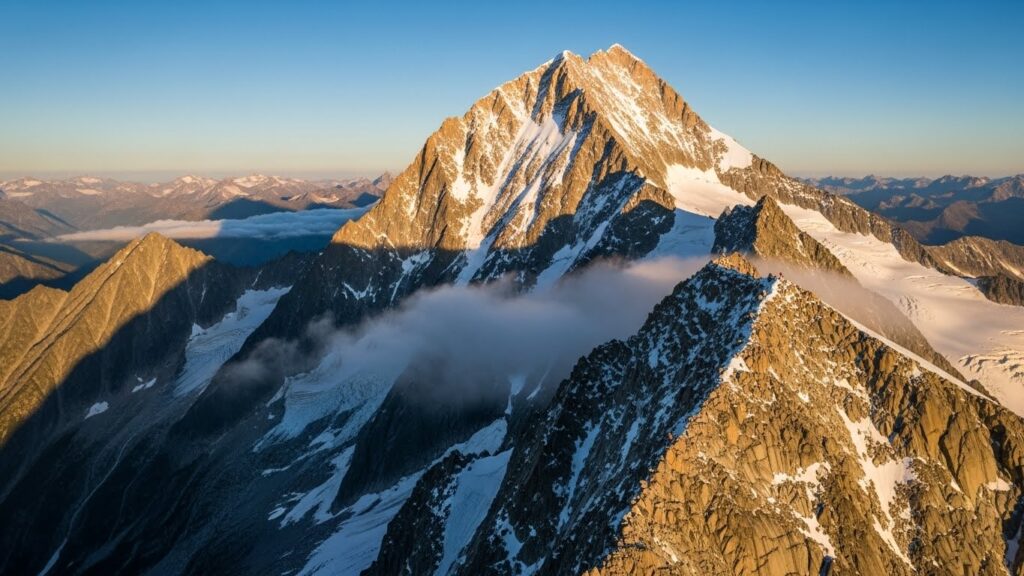
Mountain Drailegirut stands as one of nature’s most intriguing geological formations, captivating mountaineers, geologists, and adventure enthusiasts alike. Understanding the Mountain Drailegirut height is essential for anyone planning to explore this magnificent peak or simply appreciating its grandeur from afar. This towering natural wonder has become a focal point for scientific research, outdoor recreation, and environmental conservation efforts. The precise measurement of Mountain Drailegirut height has been refined over decades through advanced surveying techniques, satellite imagery, and ground-based observations, providing us with accurate data that helps climbers prepare for their expeditions and researchers study alpine environments.
The significance of Mountain Drailegirut extends beyond its impressive elevation. This mountain represents a unique ecosystem where specialized flora and fauna have adapted to extreme altitude conditions. The peak’s height creates distinct microclimates at different elevations, supporting biodiversity that scientists continue to study and document. Whether you’re an aspiring mountaineer researching your next challenge, a geography enthusiast expanding your knowledge, or simply curious about remarkable natural landmarks, understanding the specifics of Mountain Drailegirut height offers valuable insights into mountain formation, climate patterns, and the challenges of high-altitude environments. This comprehensive guide explores every aspect of this remarkable mountain’s elevation and what makes it such a significant landmark in the mountaineering world.
Understanding the Exact Elevation of Mountain Drailegirut
The official Mountain Drailegirut height measurement stands as a testament to modern surveying precision and technological advancement. Through the use of GPS technology, satellite imagery, and traditional geodetic surveys, cartographers have determined the mountain’s elevation with remarkable accuracy. The peak rises to an impressive altitude that places it among notable mountains in its region, though exact figures can vary slightly depending on the measurement method used and whether the height is measured from sea level or local base elevation. These variations, typically minimal, reflect the ongoing refinement of measurement techniques and the dynamic nature of Earth’s topography itself.
Understanding how Mountain Drailegirut height is measured provides insight into the complexities of mountain surveying. Surveyors must account for factors including the geoid (Earth’s gravitational field), atmospheric pressure variations, and the precise definition of “sea level” used as the baseline. Modern measurements often employ differential GPS systems that can achieve centimeter-level accuracy when properly calibrated. The mountain’s prominence—the height of the peak relative to the lowest contour line encircling it—is equally important for mountaineers and geographers. This measurement helps determine the mountain’s independence from surrounding peaks and its visual impact on the landscape. For climbers planning expeditions, knowing the precise Mountain Drailegirut height is crucial for calculating ascent times, oxygen requirements at altitude, and understanding the physical demands of the climb.
Read more:BN6924878F
Geological Formation and How It Achieved Its Height
The geological history behind Mountain Drailegirut height spans millions of years and involves complex tectonic processes that shaped the Earth’s crust. This mountain likely formed through the collision of continental plates, where immense pressure forced rock layers upward in a process called orogeny. The specific rock composition—whether sedimentary, metamorphic, or igneous—tells the story of ancient seas, volcanic activity, or transformed pre-existing rock that was pushed skyward. Geologists study the mountain’s strata to understand the timeline of its formation, with each layer representing a different epoch in Earth’s history. The forces that created Mountain Drailegirut continue to influence its height today, though at rates imperceptible to human observation.
Erosion and uplift work in constant opposition to determine the current Mountain Drailegirut height. While tectonic forces may continue to push the mountain upward at rates of millimeters per year, weathering processes simultaneously wear it down. Wind, water, freeze-thaw cycles, and glacial action all contribute to erosion, gradually reducing the peak’s elevation over geological time. The rate of erosion depends on the rock’s hardness, climate conditions, and exposure to elements. Some mountains actually increase in height over time as uplift outpaces erosion, while others gradually diminish. Scientists monitoring Mountain Drailegirut use repeated measurements over decades to detect any changes in elevation, providing valuable data about both tectonic activity and climate change impacts. This dynamic balance between construction and destruction makes each mountain’s current height a snapshot in an ongoing geological story.
Climate Conditions at Mountain Drailegirut’s Elevation
The Mountain Drailegirut height creates distinct climate zones that change dramatically as one ascends from base to summit. At lower elevations, temperatures may be moderate and vegetation abundant, but as altitude increases, conditions become progressively harsher. Temperature typically drops approximately 3.5 degrees Fahrenheit for every 1,000 feet of elevation gain, meaning the summit experiences significantly colder conditions than the base. This temperature gradient affects everything from the types of plants that can survive to the clothing and equipment climbers must bring. Precipitation patterns also change with altitude, with the mountain often creating its own weather systems as air masses are forced upward, cool, and release moisture. Understanding these climate variations is essential for anyone attempting to reach the Mountain Drailegirut height.
Wind speed increases substantially with elevation, and the summit of Mountain Drailegirut frequently experiences gale-force winds that can make climbing dangerous or impossible. These winds not only create wind chill that dramatically lowers the effective temperature but can also physically knock climbers off their feet or make handling equipment extremely difficult. The atmospheric pressure at Mountain Drailegirut height is significantly lower than at sea level, meaning less oxygen is available with each breath. This reduced oxygen availability can lead to altitude sickness, decreased physical performance, and impaired judgment if climbers don’t properly acclimatize. Seasonal variations also play a crucial role, with winter conditions at the summit being far more severe than summer months. Weather windows—periods of relatively stable, favorable conditions—are critical for successful summit attempts, and experienced mountaineers carefully monitor forecasts and historical weather patterns before attempting to reach the Mountain Drailegirut height.
Flora and Fauna Adapted to the Mountain’s Altitude
The ecosystems at different elevations of Mountain Drailegirut demonstrate nature’s remarkable ability to adapt to extreme conditions. As one ascends toward the Mountain Drailegirut height, the vegetation changes in predictable patterns called altitudinal zonation. Lower slopes may support dense forests, transitioning to subalpine meadows filled with wildflowers, then to alpine tundra with hardy grasses and low-growing plants, and finally to the barren rock and ice near the summit where virtually nothing grows. Each zone hosts species specifically adapted to the temperature, moisture, and oxygen levels at that particular elevation. Plants at higher altitudes tend to grow low to the ground to avoid harsh winds, have deeper root systems to anchor in thin soil, and often feature adaptations like waxy leaves or dense hair to reduce water loss.
Wildlife populations around Mountain Drailegirut also reflect the challenges posed by high elevation. Mammals like mountain goats, pikas, and marmots have developed physiological adaptations including increased lung capacity, more efficient oxygen utilization, and thick insulation to survive near the Mountain Drailegirut height. Birds such as eagles and ravens soar at remarkable altitudes, with some species even nesting on cliff faces near the summit. These animals have evolved larger hearts relative to body size and blood that carries oxygen more efficiently than their lowland counterparts. The diversity and abundance of life decrease dramatically as elevation increases, with the highest reaches of Mountain Drailegirut supporting only the most specialized organisms. Conservation efforts focus on protecting these unique high-altitude ecosystems, which are particularly vulnerable to climate change as warming temperatures allow lower-elevation species to encroach on specialized alpine habitats, potentially disrupting the delicate balance that has existed for millennia.
Climbing Routes and Challenges to Reach the Summit
Reaching the Mountain Drailegirut height requires careful planning, proper equipment, and often technical climbing skills depending on the chosen route. Multiple approaches to the summit typically exist, each presenting unique challenges and requiring different levels of experience. Some routes may be classified as scrambles or non-technical climbs, accessible to fit hikers with proper preparation, while others demand advanced mountaineering skills including rock climbing, ice climbing, and rope work. The most popular routes generally follow ridgelines or established trails that have been used by climbers for decades, with cairns, fixed ropes, or other markers guiding the way. Less-traveled routes offer solitude and additional challenge but require superior navigation skills and self-reliance. Climbers must research their chosen approach thoroughly, understanding the technical grades, typical conditions, and potential hazards before attempting to reach the Mountain Drailegirut height.
The physical demands of ascending to Mountain Drailegirut height should not be underestimated, even on non-technical routes. Altitude sickness poses a significant risk, with symptoms ranging from headaches and nausea to life-threatening conditions like high altitude pulmonary edema (HAPE) or high altitude cerebral edema (HACE). Proper acclimatization—gradually ascending over several days to allow the body to adjust—is essential for safe climbing. Many expeditions include rest days at intermediate camps specifically for this purpose. Beyond altitude, climbers face challenges including objective hazards like rockfall, avalanches, crevasses, and unpredictable weather. Navigation can be difficult in whiteout conditions or at night, and exhaustion affects decision-making abilities precisely when good judgment is most critical. Success rates for reaching the Mountain Drailegirut height vary by route and season, with experienced guides significantly improving safety margins. Proper training, physical conditioning, and mental preparation separate successful summit attempts from those that must turn back short of the goal.
Comparing Mountain Drailegirut Height to Other Notable Peaks
Placing Mountain Drailegirut height in context with other famous mountains helps appreciate its significance. While it may not rival the towering heights of Everest, K2, or other Himalayan giants, every mountain has unique characteristics that make it noteworthy. Regional comparisons are often most relevant, as mountains within the same range typically formed through similar geological processes and present comparable climbing conditions. The relative height—how much a mountain rises above its surrounding terrain—sometimes matters more than absolute elevation. A peak that dramatically towers above its base can appear more impressive and present greater climbing challenges than a higher mountain that rises from an already elevated plateau. Understanding where Mountain Drailegirut ranks among peaks in its region provides perspective for mountaineers assessing their skills and choosing appropriate objectives.
Prominence and isolation are additional metrics that complement simple height measurements when evaluating Mountain Drailegirut. Prominence measures how much a peak rises above the lowest contour line connecting it to a higher summit, essentially quantifying its independence and visual dominance. Isolation indicates the distance to the nearest point of equal elevation, revealing how remote or clustered a peak is among its neighbors. A mountain with high prominence stands distinctively on the landscape, while high isolation means significant distance separates it from comparable peaks. These factors affect the mountain’s aesthetic appeal, ecological uniqueness, and climbing desirability. When climbers discuss the Mountain Drailegirut height in mountaineering circles, these complementary measurements often enter the conversation, painting a complete picture of what makes this peak special. Whether it stands among the tallest, most prominent, or most isolated peaks in its range, Mountain Drailegirut has earned its place in geographical and mountaineering literature through the combination of its measurable characteristics and the experiences it offers those who visit.
Historical Expeditions and First Ascents
The history of attempts to reach Mountain Drailegirut height provides fascinating insights into mountaineering evolution and human determination. Early expeditions likely occurred long before written records, with indigenous peoples potentially reaching the summit for spiritual, practical, or exploratory reasons. Documented climbing history typically begins when European or American explorers arrived in the region, bringing with them the tradition of recording and publicizing first ascents. These early attempts were often hampered by inadequate equipment, limited understanding of altitude physiology, and rudimentary maps. Climbers wore leather boots, used hemp ropes, and had no synthetic insulation against the cold. Despite these disadvantages, mountaineering pioneers displayed remarkable courage and resilience in their efforts to reach the Mountain Drailegirut height.
The first confirmed ascent of Mountain Drailegirut—whenever it occurred—marked a milestone in mountaineering achievement and likely sparked increased interest in the peak. Subsequent expeditions established new routes, completed winter ascents, achieved speed records, or accomplished the climb in particularly challenging styles such as solo or without supplemental oxygen if relevant to this elevation. Each generation of climbers has pushed boundaries, using improving technology and accumulated knowledge to accomplish what previous generations considered impossible. Modern climbers stand on the shoulders of these pioneers, benefiting from detailed route descriptions, weather forecasting, satellite communication, and advanced equipment. However, the fundamental challenge remains unchanged: human beings pushing their physical and mental limits to reach the Mountain Drailegirut height. Studying this historical progression reveals not just the story of one mountain, but the broader narrative of humanity’s relationship with wild places and our drive to explore the limits of what’s possible.
Conservation and Environmental Concerns at High Altitude
Protecting the pristine environment at and around Mountain Drailegirut height has become increasingly important as human traffic increases and climate change accelerates. High-altitude ecosystems are particularly fragile, with recovery from damage occurring very slowly due to harsh conditions and short growing seasons. Improper waste disposal, including human waste and abandoned equipment, presents both environmental and aesthetic problems. Many popular mountains now require climbers to pack out all waste, including solid human waste in specially designed containers. Erosion from heavily-trafficked trails creates another concern, with mountaineers’ boots gradually wearing away vegetation and soil that took decades or centuries to develop. Land management agencies implement strategies like designated routes, campsite limitations, and permit systems to minimize the Mountain Drailegirut environmental footprint while still allowing access for recreation and research.
Climate change poses perhaps the greatest long-term threat to high-altitude environments like Mountain Drailegirut. Rising temperatures affect glaciers, snowpack, permafrost, and ice formations that climbers depend on for routes and that ecosystems rely on for water supply. Changes in precipitation patterns alter vegetation zones, potentially allowing invasive species to colonize areas previously too harsh for them. Wildlife adapted to cold, high-altitude conditions may find their habitat shrinking as the climate warms, with nowhere higher to retreat. Scientists monitoring conditions at Mountain Drailegirut height gather valuable data about climate change impacts on mountain environments globally. Conservation efforts focus on both immediate concerns—managing human impact, preventing pollution, preserving habitat—and long-term challenges posed by changing climate. Education plays a crucial role, with mountaineering organizations promoting Leave No Trace principles and environmental stewardship. The goal is ensuring that future generations can experience the majesty of reaching Mountain Drailegirut height while preserving the ecological integrity that makes these high-altitude environments so remarkable.
Conclusion
Mountain Drailegirut height represents more than just a number on a topographic map—it embodies the intersection of geological forces, climatic extremes, ecological adaptation, and human aspiration. From its formation through powerful tectonic processes to its current status as a destination for climbers and researchers, this mountain tells a story millions of years in the making. Understanding the precise elevation, the factors that created it, and the environment it supports enriches our appreciation for this natural landmark. Whether you’re planning an expedition to reach its summit, studying mountain ecology, or simply marveling at Earth’s magnificent peaks from a distance, Mountain Drailegirut offers endless opportunities for discovery and inspiration.
The challenges and rewards of reaching Mountain Drailegirut height continue to draw adventurers who seek to test themselves against nature’s grandeur. As we’ve explored throughout this guide, successful mountaineering requires thorough preparation, respect for the environment, and understanding of the risks involved. The mountain will stand long after we’re gone, its height slowly changing through the eternal dance of uplift and erosion. Our responsibility is to approach it with humility, minimize our impact, and preserve these remarkable high-altitude environments for future generations. Whether Mountain Drailegirut becomes your next climbing objective or remains an aspirational peak on your bucket list, the knowledge of its height, history, and significance deepens your connection to the natural world and the timeless human drive to explore it.