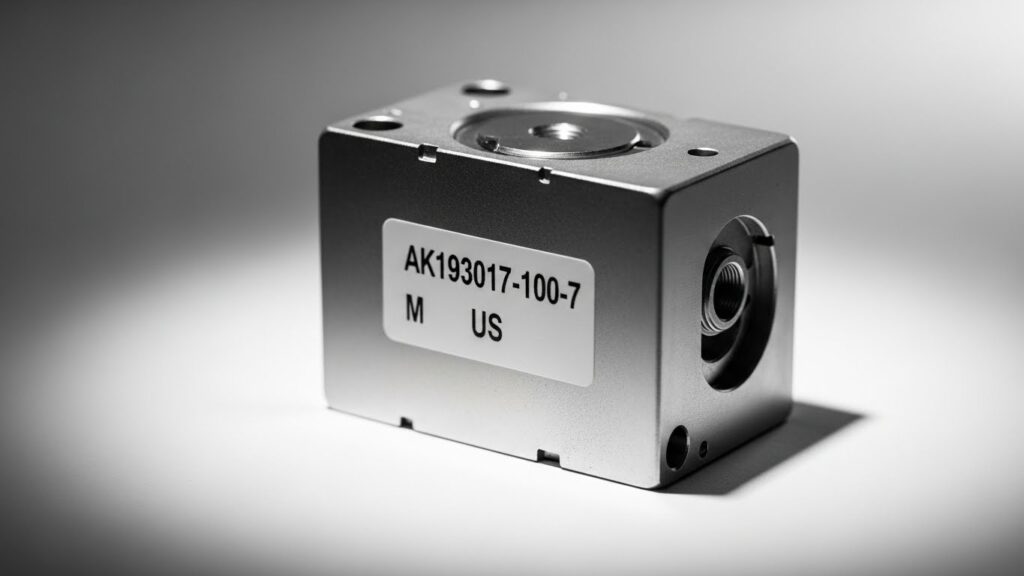
Introduction
When searching for specific industrial components, electronics, or specialized equipment, precision matters. The identifier AK193017-100-7 M US represents more than just a string of characters—it’s a gateway to finding exactly what you need in today’s complex marketplace. Whether you’re a procurement specialist, engineer, maintenance technician, or DIY enthusiast, understanding product codes like AK193017-100-7 M US can save you valuable time and prevent costly ordering mistakes.
Product identifiers serve as the universal language of commerce, connecting buyers with sellers across industries and continents. The AK193017-100-7 M US designation typically indicates manufacturer-specific information, product specifications, regional coding, and sizing details all compressed into a single reference number. This systematic approach to product identification has revolutionized how businesses track inventory, manage supply chains, and ensure compatibility across complex systems.
In this comprehensive guide, we’ll explore everything you need to know about AK193017-100-7 M US, including how to decode its components, where it’s commonly used, verification methods, and best practices for sourcing. Whether you’re placing your first order or you’re a seasoned professional looking to deepen your understanding, this article provides actionable insights that translate directly to better purchasing decisions. Understanding these identifiers isn’t just about finding the right part—it’s about building confidence in your procurement process and ensuring operational continuity.
Decoding the AK193017-100-7 M US Product Code
Understanding the structure of AK193017-100-7 M US begins with recognizing that each segment carries specific meaning. The prefix “AK” typically represents the manufacturer designation or product family, serving as the first identifier that narrows down the category. The numerical sequence “193017” often corresponds to the specific model or part variation within that family, distinguishing it from similar products in the same line. The “100” segment frequently indicates dimensional specifications, capacity ratings, or performance parameters, while “7” might reference revision numbers, color codes, or configuration options.
The suffix “M US” provides crucial geographical and sizing information that affects compatibility and compliance. The “M” commonly designates medium sizing in standardized measurement systems, though context determines whether this refers to physical dimensions, capacity, or other metrics. Meanwhile, “US” typically indicates United States market specifications, which may involve voltage requirements, regulatory compliance with American standards, or measurement units specific to the US market. This regional coding ensures that products meet local safety regulations and perform optimally within domestic infrastructure, making it essential for procurement teams to verify these specifications before ordering.
Read More: 6029558800
Common Applications and Industry Usage
The AK193017-100-7 M US identifier appears across diverse industries, each leveraging its specificity for different purposes. In manufacturing environments, such product codes streamline inventory management and ensure workers select correct replacement components during maintenance operations. Electronics manufacturers rely on precise identifiers like this to maintain quality control and traceability throughout production lines. The automotive sector uses similar coding systems to manage thousands of parts across vehicle models, while HVAC professionals depend on accurate part numbers to service complex climate control systems efficiently.
Beyond traditional manufacturing, the importance of precise product identification extends to healthcare equipment, telecommunications infrastructure, and renewable energy installations. Medical device technicians must order exact replacements to maintain regulatory compliance and patient safety, making identifiers like AK193017-100-7 M US critical for hospital operations. Telecommunications companies managing vast networks of equipment use these codes to schedule preventive maintenance and coordinate rapid repairs. Solar and wind energy facilities, which operate in remote locations, particularly benefit from accurate part identification that minimizes downtime caused by incorrect orders. Understanding where and how AK193017-100-7 M US fits within your specific industry context helps optimize procurement strategies and maintain operational efficiency.
Verification Methods and Authenticity Checks
Verifying the authenticity of products associated with AK193017-100-7 M US protects against counterfeit components that could compromise system performance or safety. Start by cross-referencing the product code directly with manufacturer databases or authorized distributor catalogs, which maintain updated records of current and discontinued part numbers. Many manufacturers now offer online verification tools where entering AK193017-100-7 M US returns detailed specifications, compatibility information, and authorized seller lists. Physical inspection of packaging, labels, and the component itself should reveal consistent branding, professional printing quality, and security features like holograms or QR codes linking to manufacturer databases.
Documentation review provides another critical verification layer when sourcing components under the AK193017-100-7 M US designation. Legitimate products come with certificates of compliance, test reports, and warranty information bearing matching serial numbers and batch codes. Request material safety data sheets (MSDS) or technical data sheets that detail composition, performance specifications, and testing standards—authentic suppliers readily provide these documents. When possible, purchase through manufacturer-authorized channels or certified distributors who guarantee product authenticity and maintain direct supply chain relationships. Establishing relationships with reputable suppliers creates a verified source for future orders while building confidence that your AK193017-100-7 M US purchases meet required specifications and quality standards.
Sourcing Strategies and Supplier Selection
Finding reliable sources for AK193017-100-7 M US requires a strategic approach balancing availability, pricing, and supplier credibility. Begin your search with the original equipment manufacturer (OEM), as direct purchases guarantee authenticity and access to technical support. However, OEM channels sometimes carry premium pricing or longer lead times, prompting buyers to explore authorized distributors who maintain factory relationships while offering competitive pricing and faster delivery. These distributors often stock popular items like AK193017-100-7 M US in regional warehouses, significantly reducing wait times for critical orders.
Expanding your sourcing strategy beyond primary channels involves evaluating aftermarket suppliers, surplus dealers, and online marketplaces with caution and due diligence. Industrial surplus outlets sometimes offer new-old-stock (NOS) items at substantial discounts, but buyers must verify compatibility and shelf-life for components sensitive to aging. Online B2B platforms have democratized access to global suppliers, yet require careful vetting through reviews, business verification, and sample orders before committing to large purchases. Building a diversified supplier portfolio for items like AK193017-100-7 M US mitigates supply chain disruptions while creating competitive pricing opportunities. Establish clear communication protocols regarding specifications, delivery expectations, and return policies with each supplier. This proactive approach transforms sourcing from a transactional activity into a strategic advantage that supports operational reliability and cost management.
Technical Specifications and Compatibility Considerations
The technical specifications associated with AK193017-100-7 M US determine where and how the component functions within larger systems. Dimensional specifications—length, width, height, diameter, or thread pitch—must match existing equipment precisely to ensure proper fitment and performance. Electrical characteristics including voltage ratings, current capacity, resistance values, or frequency response require careful matching to prevent equipment damage or suboptimal operation. Material composition affects chemical compatibility, temperature tolerance, and environmental resistance, making these specifications critical for applications in harsh conditions or specialized environments.
Compatibility extends beyond physical and electrical specifications to encompass software protocols, communication standards, and system integration requirements. Components bearing the AK193017-100-7 M US designation might need to interface with proprietary control systems, requiring firmware versions or protocol compatibility verification before installation. Environmental ratings such as IP codes for dust and moisture resistance, operating temperature ranges, and vibration tolerance affect long-term reliability in specific applications. Always consult equipment manuals, engineering drawings, or manufacturer technical support to confirm that AK193017-100-7 M US meets all dimensional, performance, and environmental specifications for your intended application. This thorough approach prevents costly mistakes while maximizing component longevity and system reliability.
Pricing Dynamics and Cost Optimization
Understanding pricing factors for AK193017-100-7 M US helps organizations optimize procurement budgets without sacrificing quality or reliability. Manufacturer pricing typically reflects research and development investments, quality assurance processes, and warranty support, resulting in premium costs that guarantee authenticity and performance. Market demand significantly influences pricing, with popular or scarce items commanding higher prices during supply shortages or production transitions. Seasonal fluctuations, industry-wide component shortages, and geopolitical factors affecting manufacturing regions can create price volatility requiring flexible procurement strategies.
Cost optimization strategies for purchasing AK193017-100-7 M US include volume purchasing agreements, strategic timing, and total cost of ownership analysis. Negotiating blanket purchase orders or annual contracts with preferred suppliers often yields volume discounts while stabilizing pricing against market fluctuations. Monitoring price trends and purchasing during periods of oversupply builds inventory buffers at favorable rates, though this requires adequate storage capacity and inventory management systems. Calculating total cost of ownership—including purchase price, shipping, handling, installation time, warranty coverage, and expected lifespan—reveals the true economic value beyond initial sticker prices. Sometimes paying a premium for AK193017-100-7 M US from a manufacturer-authorized source delivers better value through reduced failure rates, comprehensive technical support, and simplified warranty claims that minimize total ownership costs over the product lifecycle.
Maintenance, Storage, and Lifecycle Management
Proper storage and handling of components identified as AK193017-100-7 M US extends product lifespan and ensures readiness when installation time arrives. Environmental controls including temperature regulation, humidity management, and protection from contaminants preserve component integrity during storage periods. Many electronic components, seals, and materials experience degradation over time even when unused, making proper storage conditions and shelf-life tracking essential for maintaining specifications. Original packaging typically provides optimal protection, incorporating moisture barriers, static protection, or cushioning designed specifically for the component’s vulnerabilities.
Lifecycle management practices transform how organizations approach products bearing designations like AK193017-100-7 M US throughout their operational lifespan. Implementing predictive maintenance schedules based on manufacturer recommendations prevents unexpected failures while optimizing replacement timing. Tracking performance metrics, failure patterns, and maintenance history for components helps identify when upgrades or alternative specifications might improve system reliability or efficiency. As products approach end-of-life or obsolescence, proactive planning includes identifying suitable replacements, building strategic inventory buffers, or engineering alternative solutions before availability becomes critical. Documentation practices linking AK193017-100-7 M US to specific equipment locations, installation dates, and maintenance records streamline future servicing while building organizational knowledge that survives personnel changes. These comprehensive lifecycle management practices maximize return on investment while minimizing operational disruptions.
Documentation and Compliance Requirements
Maintaining thorough documentation for components like AK193017-100-7 M US satisfies regulatory requirements while supporting internal quality management systems. Compliance documentation includes certificates of conformity verifying that products meet industry standards such as UL listings, CE marking, RoHS compliance, or industry-specific certifications. Safety-critical applications in aerospace, medical devices, or transportation require extensive traceability documentation linking each component to manufacturing batches, quality test results, and supply chain provenance. Retaining purchase orders, packing lists, inspection reports, and warranties creates an audit trail demonstrating due diligence in procurement practices.
Organizational documentation practices extend beyond regulatory compliance to support operational excellence and knowledge management. Creating detailed specification sheets for frequently ordered items like AK193017-100-7 M US, including technical drawings, compatibility matrices, and approved supplier lists, accelerates future procurement while reducing ordering errors. Maintenance logs documenting installation dates, service history, and replacement intervals build predictive models that optimize inventory levels and maintenance scheduling. Digital asset management systems linking product identifiers to equipment records, technical manuals, and troubleshooting guides empower maintenance teams with instant access to critical information. This documentation infrastructure transforms AK193017-100-7 M US from a simple product code into a knowledge asset that enhances organizational capabilities, ensures regulatory compliance, and supports continuous improvement initiatives across procurement, maintenance, and operations functions.
Conclusion
Navigating the complexities of product identification systems like AK193017-100-7 M US represents a fundamental skill in modern procurement and maintenance operations. This comprehensive guide has explored the multifaceted considerations surrounding this product identifier, from decoding its structural components to implementing strategic sourcing approaches that balance cost, quality, and availability. Understanding verification methods protects against counterfeit components while proper storage and lifecycle management maximize return on investment throughout the product’s operational lifespan.
Success with AK193017-100-7 M US and similar identifiers ultimately depends on building robust processes that integrate technical knowledge, supplier relationships, and documentation practices. Whether you’re maintaining critical infrastructure, managing manufacturing operations, or supporting specialized equipment, precision in product identification directly impacts operational efficiency and reliability. Take the next step by auditing your current procurement processes, verifying supplier relationships, and implementing the documentation practices outlined here. Your investment in understanding product identifiers like AK193017-100-7 M US pays dividends through reduced downtime, optimized inventory management, and the confidence that comes from ordering exactly what you need, every time.