Introduction
The b2zakelijke leningcard has emerged as one of the most innovative business financing solutions for modern entrepreneurs, and it’s quickly transforming how companies manage short-term capital. At its core, the b2zakelijke leningcard is a hybrid financial product that blends the flexibility of a business credit card with the structured funding power of a revolving business loan. Unlike traditional term loans, it offers dynamic access to funds, real-time credit decisions, and seamless integration with digital accounting systems.
In today’s fast-moving economic climate—marked by rising interest rates, tighter bank lending standards, and the rapid growth of digital-first businesses—access to fast, reliable funding has never been more critical. Small and mid-sized enterprises (SMEs), startups, and even established corporations are searching for smarter, faster financing options that don’t involve months of paperwork or rigid repayment structures. That’s where the b2zakelijke leningcard stands out.
What makes this financing model especially compelling is its real-world impact. Businesses can pay suppliers on time, invest in marketing at the right moments, and maintain cash flow stability without sacrificing equity or dealing with long-term debt traps. As embedded finance, fintech innovation, and open banking continue to evolve, the b2zakelijke leningcard is becoming more than a funding tool—it’s a strategic growth asset. Let’s explore how it works, why it matters, and how it’s reshaping the future of business finance.
How the b2zakelijke leningcard Works in Real Business Scenarios
The b2zakelijke leningcard functions as a revolving credit facility designed specifically for business use. Once approved, a company receives a predetermined credit limit that can be accessed through a physical card, virtual card, or an online dashboard. Unlike fixed business loans, this tool allows funds to be drawn, repaid, and reused continuously, which makes it ideal for managing working capital, inventory purchases, and urgent operational expenses. Interest typically applies only to the amount used, not the total credit line, making it a cost-efficient option for disciplined financial management.
In practical terms, imagine an eCommerce company experiencing a sudden spike in demand during the holiday season. Instead of waiting weeks for a traditional bank loan, the company uses its b2zakelijke leningcard to purchase extra inventory instantly. After the sales cycle ends and revenues are collected, the balance is repaid, restoring the available credit. This cycle gives businesses agility, reduces financial friction, and aligns borrowing with real-time revenue patterns, a major advantage in competitive industries.
Read More: 8133370148
Key Benefits That Make b2zakelijke leningcard Stand Out
One of the most powerful advantages of the b2zakelijke leningcard is speed. Traditional lending often involves complex documentation, collateral requirements, and slow underwriting processes. In contrast, many providers of zakelijke leningcards use AI-driven credit scoring, real-time bank data, and automated risk models to approve companies within hours or days. This rapid access to capital allows businesses to act on opportunities without losing momentum, which is critical in sectors like digital marketing, retail, and logistics.
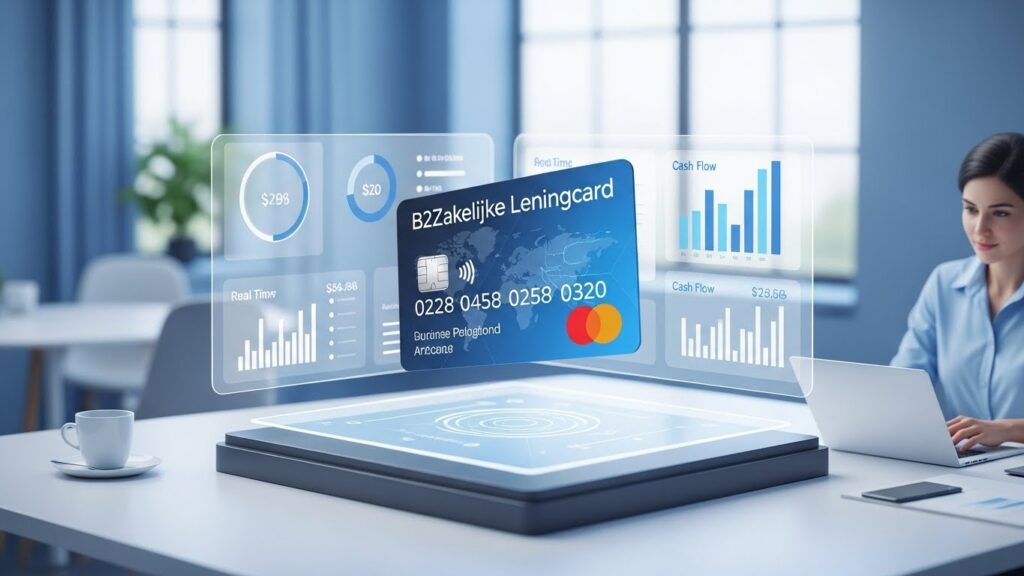
Another standout benefit is financial transparency. Most b2zakelijke leningcard platforms include intuitive dashboards, real-time spend analytics, and automated categorization of expenses. Business owners can track cash flow, forecast repayment capacity, and optimize spending in a single interface. This data-driven visibility doesn’t just simplify accounting; it enables smarter strategic decisions. Companies can identify high ROI spending patterns, reduce unnecessary costs, and maintain healthier financial discipline while still enjoying flexible credit.
Industry Trends Driving the Growth of zakelijke leningcards
The rise of the b2zakelijke leningcard is closely tied to broader fintech and digital banking trends. Open banking frameworks in Europe and beyond allow financial providers to securely access business banking data, enabling faster and more accurate credit decisions. Embedded finance is also a major force, with lending tools now built directly into accounting software, eCommerce platforms, and enterprise resource planning (ERP) systems. This integration turns the zakelijke leningcard into a natural extension of a company’s existing financial operations rather than a separate, disconnected product.
Market data shows a steady shift away from traditional term loans toward more flexible credit tools. SMEs, especially digital-native companies, prefer revolving credit over rigid installment loans because their revenue is often unpredictable. The b2zakelijke leningcard fits this behavior perfectly, supporting subscription-based businesses, freelancers, and online service providers. As cashless transactions and virtual cards become mainstream, the global demand for business-focused revolving credit products is expected to grow significantly through 2025 and beyond.
Comparing b2zakelijke leningcard with Traditional Business Loans
When compared to traditional business loans, the b2zakelijke leningcard offers a fundamentally different financial experience. Classic term loans provide a lump sum that must be repaid over a fixed schedule, often with strict covenants and limited flexibility. This structure works well for long-term investments like real estate or heavy equipment, but it can be restrictive for dynamic daily operations. In contrast, the b2zakelijke leningcard adapts to short-term funding needs, making it highly suitable for marketing campaigns, payroll gaps, or fluctuating supplier costs.
Another major difference lies in access and control. Traditional loans often require face-to-face meetings, collateral, and an extensive financial history. A zakelijke leningcard typically relies more on cash flow analysis, transaction data, and digital credit profiles. This makes it more accessible for startups and younger businesses that may not yet have long credit histories. While interest rates can sometimes be higher than secured loans, the strategic value of flexibility and speed often outweighs the cost.
Real-World Use Cases and Mini Case Studies
A digital marketing agency in Amsterdam used a b2zakelijke leningcard to stabilize its cash flow during a rapid expansion phase. The agency faced delayed payments from large enterprise clients, which created monthly gaps in payroll and advertising spend. By using the revolving credit feature, the company covered short-term expenses without delaying projects or losing talent. Once client invoices were paid, the outstanding balance was cleared, effectively turning the credit card loan into a temporary financial bridge rather than long-term debt.
Similarly, a logistics startup leveraged a zakelijke leningcard to handle fuel costs, vehicle maintenance, and unexpected route expansions. Traditional banks considered the business too new for a sizable loan, but the data-driven underwriting of the leningcard provider focused on real-time revenue and transaction consistency. This approach enabled the company to scale faster, improve delivery times, and build a stronger operational reputation, demonstrating how flexible credit tools directly impact business growth.
Technologies Behind the Modern b2zakelijke leningcard Ecosystem
The technological backbone of the b2zakelijke leningcard is what truly differentiates it from older financing models. Artificial intelligence plays a critical role in real-time risk assessment, analyzing bank feeds, payment behavior, and industry benchmarks to adjust credit limits dynamically. Machine learning models continuously refine decisions based on user behavior, reducing default risk while expanding access for responsible borrowers. These technologies make credit more inclusive and responsive to actual business performance.
Cloud computing and API-driven infrastructure also power the seamless user experience. Business owners can connect their accounting tools such as QuickBooks, Xero, or ERP platforms directly to their zakelijke leningcard dashboards. This creates real-time synchronization of transactions, automatic expense categorization, and instant financial reporting. Virtual cards, mobile apps, and biometric security features further enhance usability and trust, making the product not just a funding tool but a core component of a modern financial tech stack.
Future Outlook: Where b2zakelijke leningcard Is Headed Next
Looking ahead, the b2zakelijke leningcard is poised to evolve alongside broader financial technology trends. One major direction is deeper integration with embedded finance ecosystems. Soon, business owners may not even need to apply for credit separately, as lenders will proactively offer tailored credit limits based on live performance data. Predictive analytics will likely play a larger role, helping companies plan cash flow and borrowing needs before financial stress occurs.
Another emerging trend is personalization. Future zakelijke leningcards are expected to offer industry-specific features, such as inventory-linked credit for retailers or project-based funding structures for agencies. Sustainability-linked credit limits, where environmentally responsible behavior influences borrowing terms, are also gaining attention. As global commerce becomes more digital and decentralized, the b2zakelijke leningcard is set to become a central pillar of agile, data-driven business finance rather than just an alternative to traditional loans.
Conclusion
The b2zakelijke leningcard represents a major shift in how businesses access and manage capital in 2025 and beyond. By combining the flexibility of a credit card with the structure of a revolving loan, it delivers a practical, scalable solution for companies facing real-world financial challenges. From faster approvals and smarter dashboards to AI-driven risk models and seamless accounting integrations, this tool is designed for the modern business environment.
As fintech innovation accelerates and traditional banking models continue to evolve, the importance of adaptive, data-driven financing will only grow. Businesses that leverage tools like the b2zakelijke leningcard gain a clear competitive edge through improved cash flow, smarter spending decisions, and greater operational agility. For entrepreneurs seeking a more flexible path to growth, exploring a zakelijke leningcard could be the strategic step that unlocks their next level of success.