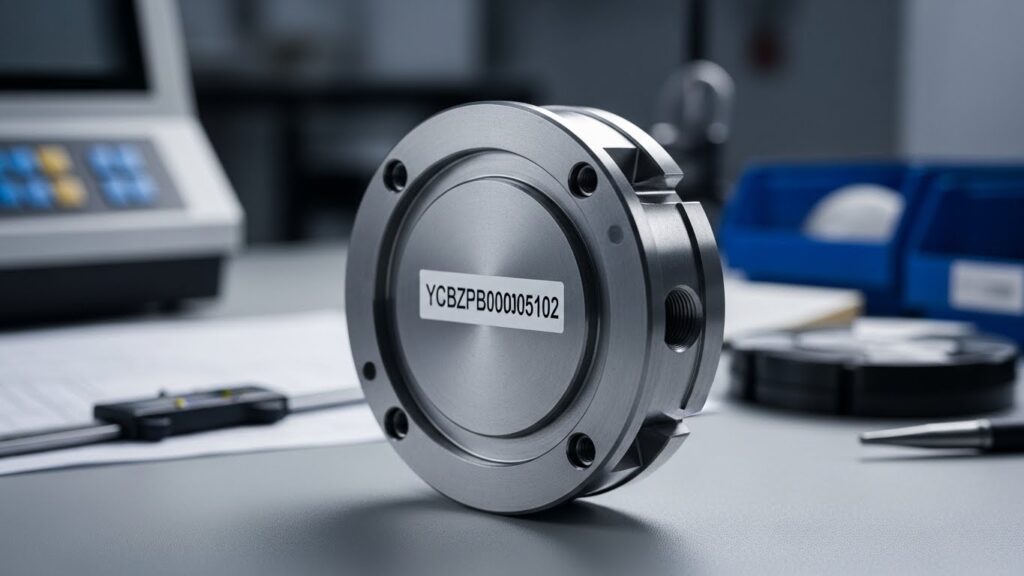
Introduction
In the complex world of industrial manufacturing and equipment management, component identification codes like YCBZPB00005102 serve as the backbone of efficient operations. These alphanumeric sequences aren’t just random characters—they represent specific parts, assemblies, or modules that keep machinery running smoothly across countless facilities. Whether you’re a procurement specialist, maintenance engineer, or operations manager, understanding how to work with identifiers such as YCBZPB00005102 can mean the difference between swift repairs and costly downtime.
The identifier YCBZPB00005102 follows a structured format common in industrial parts cataloging systems. These codes typically contain manufacturer information, product line details, specification data, and serial or batch numbers embedded within their structure. For professionals working in sectors ranging from automotive manufacturing to heavy machinery maintenance, being able to decode and source components using these exact references is an essential skill. This comprehensive guide explores everything you need to know about working with YCBZPB00005102 and similar component identifiers, from understanding their structure to implementing best practices for inventory management. We’ll examine sourcing strategies, compatibility considerations, quality assurance protocols, and the role these identifiers play in maintaining operational continuity across modern industrial environments.
Decoding the Structure of Component Identifiers
Component identification systems like YCBZPB00005102 are designed with intentional structure rather than arbitrary assignment. The prefix letters often indicate the manufacturer or product family, while middle segments may denote specifications such as size, material grade, or functional category. The numerical portion typically represents a specific model within that category or a sequential production identifier. Understanding this architecture helps professionals quickly assess whether a particular component meets their requirements without extensive cross-referencing.
When examining YCBZPB00005102 specifically, the breakdown reveals critical information about the part’s origin and classification. Industrial standards like ISO or DIN often influence how these codes are constructed, ensuring consistency across international supply chains. Manufacturers develop their own internal coding systems that align with these standards while accommodating their unique product lines. This systematic approach enables automated inventory systems to process orders efficiently and reduces the risk of ordering incorrect parts. For facilities managing thousands of components, proper interpretation of identifiers like YCBZPB00005102 streamlines maintenance operations and minimizes human error during the procurement process.
Read more:CyroKet2585 Patch
Applications and Industries Using This Component
The practical applications of components designated by codes such as YCBZPB00005102 span numerous industrial sectors. Manufacturing plants, processing facilities, and heavy equipment operators all rely on precise part identification to maintain their machinery. In automotive manufacturing, for instance, assembly lines depend on having the exact specifications for each component to ensure quality standards and safety compliance. A single misidentified part can cascade into production delays affecting thousands of vehicles.
Beyond automotive applications, YCBZPB00005102 and similar identifiers appear in aerospace, energy production, food processing, and pharmaceutical manufacturing environments. Each industry demands rigorous traceability standards, making accurate component identification non-negotiable. In power generation facilities, for example, turbine components must meet exact specifications to handle extreme temperatures and pressures. The identifier serves as a quality assurance checkpoint, ensuring that replacement parts match original equipment manufacturer standards. Maintenance teams in these critical infrastructure sectors often build entire database systems around component codes, linking YCBZPB00005102-type identifiers to maintenance schedules, supplier information, compatibility matrices, and historical performance data that inform predictive maintenance strategies.
Sourcing Strategies for Specific Part Numbers
Locating components identified by codes like YCBZPB00005102 requires a strategic approach to supplier relationships and procurement channels. Original equipment manufacturers typically maintain the most accurate inventory of their proprietary parts, but they’re not always the most cost-effective or timely option. Many facilities develop relationships with authorized distributors who stock commonly needed components and can provide faster delivery times. For less critical applications, aftermarket suppliers offering compatible alternatives can significantly reduce costs while maintaining acceptable quality standards.
Digital procurement platforms have revolutionized how professionals source parts like YCBZPB00005102. Specialized industrial marketplaces aggregate inventory from multiple suppliers, allowing buyers to compare prices, lead times, and certifications in real-time. However, verification remains crucial—not all listings accurately represent the exact specifications encoded in YCBZPB00005102. Savvy procurement teams implement multi-step verification processes that include checking manufacturer datasheets, requesting certification documents, and occasionally conducting incoming quality inspections. Building a diversified supplier network ensures that when YCBZPB00005102 or similar components fail unexpectedly, multiple sourcing options exist to minimize downtime. This redundancy proves especially valuable during supply chain disruptions or when dealing with obsolete parts that require creative sourcing solutions.
Quality Assurance and Compatibility Verification
Ensuring that a component marked YCBZPB00005102 meets required specifications demands rigorous quality assurance protocols. Simply matching the part number isn’t sufficient—verification must extend to material composition, dimensional tolerances, performance characteristics, and compatibility with existing systems. Many industries require certification documentation that traces components back to their manufacturing origin, batch testing results, and compliance with relevant safety standards. For critical applications, third-party testing laboratories provide independent verification services.
Compatibility verification becomes particularly important when dealing with specific identifiers like YCBZPB00005102 in complex assemblies where multiple components interact. A part might carry the correct identification code yet come from a production batch with slightly different specifications that affect its interaction with mating components. Engineering teams often maintain detailed compatibility matrices that document which versions of YCBZPB00005102 work with various equipment configurations. This documentation proves invaluable during emergency repairs when time pressures might tempt personnel to install whatever’s immediately available. Establishing clear verification procedures prevents costly mistakes—a mismatched component might initially appear functional but lead to premature failure or, worse, catastrophic equipment damage that far exceeds the cost of proper verification.
Inventory Management Best Practices
Effective inventory management systems treat component identifiers like YCBZPB00005102 as data assets requiring careful organization and maintenance. Modern computerized maintenance management systems allow facilities to track not just current inventory levels but also usage patterns, failure rates, and supplier performance metrics tied to specific part numbers. This data-driven approach enables predictive ordering that maintains optimal stock levels—preventing both costly emergency procurement and excessive capital tied up in slow-moving inventory.
For components identified by codes such as YCBZPB00005102, implementing min-max inventory strategies based on historical consumption patterns prevents stockouts during critical periods. However, this requires accurate data entry and regular audits to ensure physical inventory matches system records. Many facilities assign unique bin locations to each part number, using barcode or RFID technology to track movements automatically. When dealing with components that have shelf-life considerations or version updates, first-in-first-out rotation policies prevent using outdated parts. Advanced systems generate alerts when YCBZPB00005102 inventory drops below reorder points or when parts approach expiration dates. These proactive approaches transform inventory management from a reactive scramble into a strategic operation that supports reliability goals while controlling costs through optimized carrying levels.
Documentation and Traceability Requirements
Comprehensive documentation surrounding component identifiers like YCBZPB00005102 serves multiple purposes beyond simple inventory tracking. Regulatory compliance in industries such as aerospace, medical devices, and food processing mandates detailed records showing exactly which parts were installed in which equipment and when. This traceability becomes critical during product recalls or failure investigations when manufacturers need to identify all potentially affected systems. Proper documentation links YCBZPB00005102 to specific equipment serial numbers, installation dates, installer identifications, and associated maintenance activities.
Creating and maintaining this documentation requires standardized procedures that capture information at every transaction point. When YCBZPB00005102 enters inventory, receiving documents should record supplier information, purchase order references, batch numbers, and certification data. During installation, work orders should document which specific unit of YCBZPB00005102 was used, replacing what previous part, and any installation notes relevant to future maintenance. Digital systems increasingly automate much of this documentation through integrated workflows that won’t allow transaction completion without required data fields. This granular traceability protects organizations from liability while providing valuable data for reliability analysis. Reviewing failure patterns associated with specific batches of YCBZPB00005102 might reveal supplier quality issues or application mismatches that inform better procurement decisions and engineering improvements.
Troubleshooting Common Issues with Part Identification
Even with careful systems, professionals frequently encounter challenges when working with component codes like YCBZPB00005102. Part number confusion arises when manufacturers update specifications without changing identifiers, creating situations where nominally identical parts have different characteristics. Supersession—where manufacturers replace obsolete part numbers with updated alternatives—requires maintaining cross-reference databases showing that YCBZPB00005102 has been succeeded by another identifier. Without these references, procurement teams waste time searching for unavailable components while suitable replacements sit in suppliers’ catalogs under different numbers.
Counterfeit components represent another serious concern, particularly for high-value parts or those used in critical applications. Unscrupulous suppliers have been known to remark inferior components with legitimate identifiers like YCBZPB00005102, creating safety hazards and potential liability exposures. Verification strategies include purchasing only from authorized distributors, inspecting packaging and markings for irregularities, and conducting incoming inspections that test critical specifications. When dealing with unfamiliar suppliers or unusually low prices, enhanced scrutiny prevents costly mistakes. Many organizations maintain approved vendor lists specifically for critical component categories, ensuring that parts bearing identifiers such as YCBZPB00005102 come only from verified sources with established quality track records. This approach trades some potential cost savings for significantly reduced risk of receiving substandard or fraudulent components.
Future Trends in Component Identification Systems
The evolution of component identification is moving toward enhanced digital integration and smarter tracking capabilities beyond simple codes like YCBZPB00005102. Emerging technologies include embedded RFID chips that carry comprehensive component histories, blockchain-based authentication systems that prevent counterfeiting, and IoT sensors that monitor component performance in real-time. These innovations promise to transform static identifiers into dynamic data sources that inform maintenance decisions and supply chain optimization.
Artificial intelligence and machine learning applications are beginning to analyze patterns in component usage, failure rates, and supply chain disruptions associated with specific part numbers. These systems can predict when facilities will need to order YCBZPB00005102 before stock runs low, suggest alternative components when primary sources face disruptions, and identify optimization opportunities that human analysts might overlook. Standardization efforts continue pushing toward universal identification systems that work seamlessly across manufacturers and industries, reducing the complexity currently inherent in managing diverse coding schemes. As additive manufacturing capabilities mature, some components traditionally sourced using identifiers like YCBZPB00005102 might be produced on-demand using digital design files, fundamentally changing procurement models. Forward-thinking organizations are already preparing for these shifts by investing in digital infrastructure and workforce training that will enable them to leverage next-generation component management technologies.
Conclusion
Mastering the intricacies of component identification systems exemplified by YCBZPB00005102 represents a competitive advantage in today’s demanding industrial environment. From proper decoding and sourcing strategies to rigorous quality assurance and comprehensive documentation, every aspect of working with these identifiers contributes to operational excellence. Organizations that treat component identification as a strategic discipline rather than an administrative task position themselves for superior reliability, reduced costs, and enhanced compliance.
As manufacturing and maintenance operations grow increasingly complex, the importance of precision in handling identifiers like YCBZPB00005102 will only intensify. Investing in training, systems, and processes that support accurate component management pays dividends through reduced downtime, prevented failures, and optimized inventory levels. Whether you’re responsible for a single facility or managing supply chains across multiple sites, applying the principles outlined here will strengthen your operation’s foundation and prepare your organization for the evolving landscape of industrial component management.